A cracked windshield changes your day. Sunlight splinters into your eyes, the wipers chatter over a spiderweb crack, and you realize you are one pothole away from a full break. You start pricing a fix, and the numbers feel slippery. Some shops quote a range, your insurer mentions a deductible you barely remember choosing, and the car can’t just sit. Financing an auto glass replacement is rarely anyone’s dream purchase, yet it is a practical one, and you have more options than most people think. The goal is simple: restore a safe windshield or window without derailing the month’s budget.
What follows is a grounded guide from years of working with drivers, shops, and insurers. I will walk through typical costs, how insurance really responds to glass claims, smart ways to finance a windshield replacement, and the trade-offs that hide behind the fine print. I will also share small but important tactics that can shave down your out-of-pocket bill and help you read a windshield quote with a skeptic’s eye.
What you are actually paying for
Auto glass replacement looks straightforward from the outside: remove the broken part, set the new panel, seal and calibrate if needed. The bill reflects a tangle of details under that simplicity. A basic windshield without sensors on an economy sedan might run 250 to 450 dollars before tax. Add driver-assist features like a forward camera or lane-keep sensors, and the price often doubles. For late-model SUVs with rain sensors, heads-up display, acoustic lamination, and an ADAS camera, I routinely see totals in the 900 to 1,600 dollar range. Some luxury and EV windshields eclipse 2,000 dollars once calibration enters the picture.
The glass itself is only part of the puzzle. Adhesive systems have strict cure times and temperature requirements, technicians need training for ADAS calibration, and many brands require special trims, clips, or moldings that can’t be reused. When a customer calls me for a windshield quote, I ask three things right away: the exact year and trim, whether the windshield has a camera or heating grid, and whether the car has a heads-up display. Those three answers narrow down the correct part number and whether calibration is non-negotiable.
For side and rear glass, pricing trends differently. A door window on a common sedan may cost 150 to 300 dollars installed, while a fixed rear quarter glass on a crossover might be 300 to 600. Back glass with defroster lines and antennas typically lands in the 350 to 800 range. Again, trim and availability drive variance. An imported coupe with a rare quarter panel can surprise you with a four-figure quote because the genuine part is the only source.
Insurance: the fork in the road
Insurance is the first lever to pull, and how it moves depends on your policy language and your state. If you carry comprehensive coverage, glass damage usually falls under comp, not collision. That distinction matters because comprehensive claims often have lower deductibles and, in many states, do not count against your rating the way at-fault collisions do. The deductible is the gatekeeper. If your deductible is 500 dollars and your windshield replacement is 420, there is no claim to file. If the job is 1,200, the claim makes sense, though special coverage can beat even that math.
Some policies include full glass coverage, sometimes called zero-deductible glass. In a handful of states, insurers are required to offer it or to cover glass with no deductible by default. Where it is optional, it usually adds a few dollars per month. Drivers who commute on highways with gravel shoulders or live near construction zones tend to come out ahead with full glass coverage because chips happen more often than many expect. If your policy has full glass, the insurer pays the shop directly and you pay nothing out of pocket, aside from add-ons like wiper blades or aftermarket tint reapplication if you choose them.
A few realities from the field:
- Some insurers steer heavily toward their preferred networks. That can be fine, but you usually have the right to pick any shop. The insurer will pay up to a reasonable and customary amount. If you want dealer glass or a specific brand, verify coverage before scheduling, because not all carriers will authorize OEM at the first pass. Calibration is not fluff. If your windshield houses a forward camera or radar, the shop will either perform a static or dynamic calibration or subcontract it. Insurers know this and normally cover it when the glass claim is approved. If a shop gives you a low Auto Glass Quote that does not mention calibration, expect that line item to appear later, because it is part of putting the vehicle back to pre-loss condition. Filing multiple glass claims in a short time can spook some carriers. While a single glass claim typically does not hike your premium, four in two years may trigger a review. If you are seeing frequent impacts, change driving routes, spacing behind trucks, or consider a thicker ceramic tint with a clear top band that can deflect tiny debris from the top edge. It is small, but I have seen it reduce chips near the frit line.
When you do not want to use insurance
Plenty of drivers choose to pay cash even when they have comprehensive coverage. Maybe they are worried about claim frequency, the deductible is close to the total bill, or they prefer an independent shop that is out of network and commands a higher price for OEM glass. Financing can bridge that gap. Before we get to programs and credit lines, consider simple cost control:
Ask for two versions of the windshield quote, one with OEM glass and one with high-quality aftermarket. On some makes, the aftermarket panels are excellent. On others, optical distortion or fitment issues make the OEM premium worth it. I have replaced enough windshields to say this varies by car, not by brand loyalty. For a mid-2010s Honda with a basic windshield, aftermarket can be just fine. For a German luxury model with a heads-up display, OEM tends to calibrate smoother and avoid ghosting in the projected speed readout.
Ask about mobile versus in-shop replacement. A controlled indoor environment often yields better adhesive cure and cleaner sensor work, but mobile service can be cheaper and faster. Shops usually price these the same, yet when schedules are tight, some will discount mobile to fill a route. If a rainstorm is forecast, book the shop bay. Water and fresh urethane do not mix.
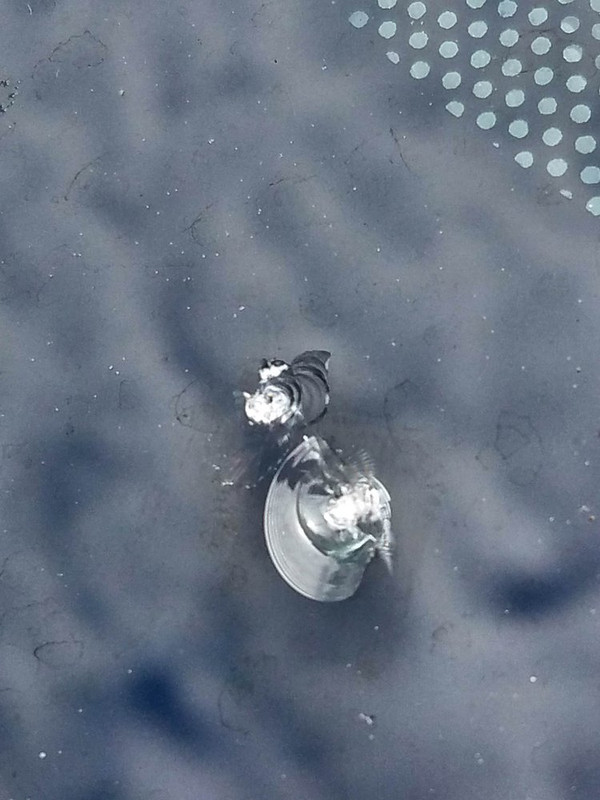
Finally, ask whether the shop can repair instead of replace. A small chip that sits away from the driver’s line of sight and the edges can be safely repaired for 75 to 150 dollars. A repair keeps the original factory seal and avoids calibration entirely. If a shop pushes replacement while your crack is under six inches and clean, get a second opinion. Repairs are not just cheaper, they are often smarter.
Financing options you will actually see
When you choose to pay out of pocket, you will see a spectrum of financing offers. I group them into shop-based point-of-sale plans, general-purpose credit cards, credit union or bank loans, and buy now, pay later arrangements. Each one trades speed for cost in a different way.
Point-of-sale financing through the glass shop is the most common. Many independent and chain shops integrate with providers that approve customers within minutes. The sweet spot here is a promotional 0 percent APR window, often 6 to 12 months, tied to a minimum purchase amount. The catch is deferred interest. If the promo period expires with any balance, the interest that was waived snaps back and applies retroactively from day one. I have seen customers turn a 700 dollar charge into 900 dollars because they missed the payoff by a week. If you go this route, set a calendar reminder two months earlier than the actual deadline. Some of these plans require autopay setup at the time of scheduling, which can be helpful.
General-purpose credit cards are flexible, especially if you have a card with an introductory 0 percent APR for new purchases. If your windshield replacement lands during that window and you have the discipline to pay it off within the promo term, this can be the least complicated path. Rewards cards sometimes stack another 1 to 2 percent back, and some shops will accept virtual card numbers if you want to control the charge tightly. The downside is obvious if you carry a balance past the intro period. APRs above 20 percent are common now, and glass is not a purchase worth compounding at that rate.
Credit union or bank personal loans are slower but predictable. If the shop lead time is a few days or you can safely drive until your appointment, a small personal loan at a fixed rate can beat most card APRs. I have watched customers secure 8 to 12 percent fixed rates through their credit unions when their credit cards sat at 22 percent variable. The downside is paperwork and a hard inquiry. For a 500 to 1,200 dollar windshield, the friction might not be worth it unless cash flow is tight for the next several months.
Buy now, pay later services are creeping into auto glass. The appeal is an easy approval and smaller biweekly payments. The risk sits in fees for rescheduling and late payments, and the way multiple pay-later obligations stack up before people notice. If you do not already use one of these services responsibly, this is not the purchase to experiment with.
Some shops will also accept HSA or FSA debit cards if the windshield damage resulted from a medical transport or event, but that is rare and rules vary. More relevant, a few shops partner with dealership finance offices for OEM glass on complex vehicles. That structure behaves like a short personal loan and can make sense if you are set on dealer-sourced parts.
How to read a windshield quote so you do not overpay
A good Auto Glass Quote will list the glass part number, whether the glass is OEM, OEE, or aftermarket, the cost of moldings or clips, labor, adhesive kit, calibration, disposal, and tax. When a quote arrives as a single number, ask for a line-item version. It tells you where the money goes and helps you compare apples to apples. I pay special attention to calibration. If a shop quotes calibration but plans to subcontract it, ask who is doing the work and where. I prefer shops that perform calibration in-house or coordinate with a dealership that specializes in your make. Good calibration prints out a report with a timestamp and vehicle VIN. Keep that report, especially if your car is under warranty.
Some shops quote a lower glass price upfront and make their margin on shop fees. A clean quote should not have a vague “shop supplies” line north of 30 or 40 dollars. Adhesive kits, primer, and disposal are legitimate charges, but they should be named. When you get multiple windshield quotes, do not chase the lowest number automatically. Ask for the brand of the glass and whether it carries a nationwide warranty. If you drive cross-country for work, a national warranty has real value.
A word on OEM versus aftermarket glass
There is no universal rule here. OEM glass is made to the vehicle manufacturer’s specifications and often by the same companies that produce OEE panels for the aftermarket. Where drivers get tripped up is in advanced features. Heads-up display windshields have a different lamination layer that prevents double images. Acoustic glass uses a sound-dampening layer that can change cabin noise by a few decibels at highway speed. Some aftermarket manufacturers nail these specs, others do not. I have personally replaced aftermarket glass with OEM on certain models because the customer complained about glare at night or faint distortion at the top corners. Conversely, I have installed aftermarket glass on a fleet of base-model pickups with zero complaints over 60,000 miles.
If insurance is paying and you prefer OEM, say so. Some carriers will approve OEM if the vehicle is newer, if there is a documented safety concern, or if the aftermarket part is not available in a timely manner. If you are paying and trying to keep the bill under a certain number, select aftermarket for basic windshields and invest in a reputable shop that knows how to prep the pinch weld correctly and calibrate the sensors.
Safety and timing: what you should not finance
If a deep crack sits in the driver’s primary viewing area or reaches the edges of the glass, delay is not your friend. Modern windshields are part of the car’s structural system and help the airbag deploy properly. I have seen slow-motion failures, where a small crack rides along for weeks, then a temperature swing sends it racing to the edge while the car is parked. If you need to finance to get the car safe now, do it cleanly. Avoid payday-style products. Use a zero-interest promotional window if you can pay it off before the timer ends. If not, negotiate. Shops have more room than you might think, especially if you are flexible on scheduling or willing to come to them rather than booking mobile service.
You also want to understand safe drive-away times. Urethane adhesives have cure windows that depend on humidity and temperature. Most shops will give you a one to two hour window before it is safe to drive. In cold weather, it can stretch longer. If Lancaster car window repair you finance with a shop that promises a 30-minute turnaround on a modern windshield, be skeptical. Speed comes second to cure integrity.
Real examples from the counter
A rideshare driver came in with a 2018 Camry. The windshield had a forward camera and a heated wiper area. The first quote he received elsewhere was 1,050, including calibration. His comprehensive deductible was 1,000, so he wanted to pay cash and avoid a claim. We priced OEM at 980 and OEE at 720. He financed 720 through a point-of-sale plan with a 12-month no-interest promo. He paid 60 per month and set a reminder for month 10. He finished payments two months early and paid zero interest. For him, that plan beat a 22 percent APR card by a mile.
A second case involved a 2021 luxury SUV with a heads-up display. The owner insisted on OEM after reading about ghosting issues. Insurance initially approved an aftermarket panel and dynamic calibration, but the dealer recommended static calibration for that model, which required specific targets. We submitted documentation, and the insurer approved OEM glass and dealer calibration. The owner paid only a 250 dollar comprehensive deductible. The key was patience and clear part numbers on the windshield quote. If she had financed out of pocket, this would have been a 1,700 dollar swing.
A final one: a contractor with a base-model work truck. His windshield crack was outside the driver’s field of view, and he needed the truck daily. We repaired the chip for 120, no financing needed, and he avoided any claim. It held up through a Texas summer. Not every blemish requires a full replacement.
How to choose your shop without buyer’s remorse
Credentials matter. Look for technicians certified for your vehicle’s ADAS systems, not just a general sealant course from years ago. Ask about their calibration equipment and whether they perform static calibrations in-house. If they only do dynamic calibrations and your make commonly needs static, they will outsource, and you should know to expect that scheduling wrinkle.
Turnaround time is a second filter. A shop that promises same-day availability for every situation is smoothing over the hard parts. Sourcing the right glass, verifying tint shade and sensor mounts, and booking calibration slots takes coordination. When I hear a realistic two-day lead time paired with a clear parts check, I feel better than a breathless “We can be there in an hour.”
Warranty is your safety net. Lifetime workmanship warranties are common. Ask what triggers it. Water leaks should be covered, but chips from new impacts are not. If a calibration light appears a week later, a good shop rechecks for free. Keep your invoice and any calibration reports. If your vehicle still carries a factory warranty and a dealer needs to see calibration proof later, you will be glad you saved the paperwork.
Tactics that shave your out-of-pocket cost
Insurers and shops live in the world of reasonable and customary pricing. That does not mean you cannot influence the final number. If you are flexible, ask whether a midweek appointment in the shop can reduce your ticket. Some locations staff extra techs on Tuesdays and Wednesdays and will discount to fill those slots. If you are choosing between OEM and OEE, ask whether your make has an OEE option produced by the same manufacturer that supplies the automaker. Many do. The label on the glass will differ, but the specs can be identical.
If your deductible is 500 and your windshield replacement costs 530, consider paying cash and keeping the claim off the books. If it is 900, the math shifts. For high-deductible policies, sometimes you can adjust your policy mid-term to add full glass coverage, but carriers usually apply changes going forward. It is worth calling anyway, especially if you have multiple vehicles. A small premium bump spread across the year can erase the pain of the next rock chip.
If you are financing, do not ignore the ask prices on moldings and clips. Those small parts add up. On some models, the old moldings can be reused safely, and on others they cannot. Ask the shop whether the part is truly single-use. A transparent answer will save money without cutting corners.
When timing and safety collide with budget
Some drivers try to stretch a compromised windshield until a bonus lands or a tax refund arrives. I understand the impulse. The risk is that cracks lengthen, moisture slips under the glass, and rust forms on the pinch weld. Rust complicates installation and can add hours of labor later, at which point your financing saves the wrong dollars. If your budget is tight today, pick an option that gets the glass safely replaced and paid off within six to twelve months. That might be a zero-interest point-of-sale plan, a short-term credit union loan, or a card with a fresh intro APR. If none are available, talk to the shop manager. They see your situation more often than you might think and may offer an internal plan with weekly payments. These are not always advertised.
A brief, practical checklist before you commit
- Confirm whether your comprehensive policy includes full glass or a separate glass deductible. One phone call can change your plan completely. Get a written Auto Glass Quote that lists the glass brand, part number, calibration type, and fees. Compare at least two shops. Ask directly about calibration: who performs it, what type, and whether you will get a printed report. If you choose financing, write the payoff date on a calendar two months early. Avoid deferred-interest surprises. Verify safe drive-away time and post-install care. Do not wash the car or slam doors aggressively for the first day.
The bottom line on paying smartly for glass
Auto glass replacement is a safety repair with a bill that ranges from nuisance to eye-widening, depending on your vehicle and its tech. Use insurance when the deductible and policy favor you. When they do not, financing can bridge the gap without turning a 700 dollar fix into a 1,400 dollar headache. The best results come from a clear windshield quote, a shop that respects calibration, and a financing plan you can pay off on your timeline.
If you are unsure, make two quick calls first: your insurer, to clarify coverage, and a reputable local shop, to price both OEM and aftermarket options for your trim. Once you have those numbers, the right path usually shows itself. Paying well for auto glass is not about loving loans or chasing points. It is about getting back to driving a safe car, with clear vision and a plan that does not punish you three months from now. That is a good trade any day you need it.